For any construction or infrastructure project in Hialeah, the initial and crucial phase is a geotechnical investigation, which supplies essential information on soil and subsurface conditions impacting foundation design, structural integrity, and longevity. This classification includes diverse field and laboratory testing methods aimed at evaluating the physical and mechanical soil properties, detecting risks like sinkholes or expansive clays, and meeting building code requirements. Given the escalating development and renovation of older buildings in Hialeah, comprehending the subsurface environment is indispensable for effective risk management and cost efficiency.
The local geology of Hialeah presents unique challenges that demand specialized investigation techniques. The city sits atop the Biscayne Aquifer, characterized by alternating layers of porous limestone, sand, and organic materials deposited over millennia. This karst topography is prone to dissolution features, including cavities and soft zones that can compromise foundations if not properly identified. Additionally, the shallow water table fluctuates seasonally, influencing soil behavior and requiring careful consideration of buoyancy and drainage. These conditions make services such as CPT (Cone Penetration Test) particularly valuable, as they provide continuous profiles of soil stratigraphy and pore pressure without the disturbance associated with traditional drilling.
Every geotechnical investigation conducted in Hialeah must conform to the Florida Building Code (FBC), which integrates guidelines from the American Society of Civil Engineers (ASCE) and the American Society for Testing and Materials (ASTM). The FBC mandates project-specific soil analyses for most commercial and multi-family residential developments, specifying minimum exploration depths, boring counts, and lab testing procedures depending on structure type and risk classification. Additional amendments by Miami-Dade County often require more stringent sinkhole assessments and reporting. Adhering to these regulations ensures structural safety and shields owners and contractors from post-construction liabilities.
A wide variety of projects in Hialeah require comprehensive geotechnical investigation services. New warehouse developments in the industrial corridors, mid-rise apartment buildings along major thoroughfares, and public infrastructure such as roadway expansions and drainage improvements all depend on accurate subsurface data. Even smaller projects, including residential additions or retaining walls, benefit from targeted studies like exploratory test pits that reveal shallow soil conditions and potential obstructions. The complexity of local soils means that every project, regardless of scale, should integrate investigation findings into its design to avoid costly surprises during excavation or foundation construction.
Common questions
What does a geotechnical investigation in Hialeah typically include?
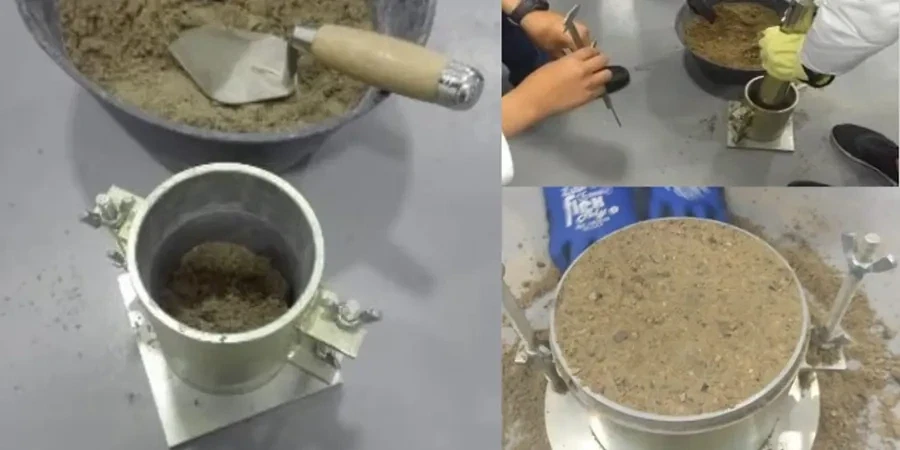
A standard geotechnical investigation in Hialeah comprises field operations like soil borings, cone penetration tests, or test pits to gather samples and assess in-situ conditions. Subsequent laboratory analyses determine parameters such as grain size, plasticity, shear strength, and consolidation. The resulting report offers site characterization, bearing capacity calculations, settlement predictions, and guidance on foundation type and construction methods.
Why is a geotechnical investigation necessary before building in Hialeah?
Hialeah's karst geology and high water table present dangers such as sinkholes, uneven settlement, and uplift forces that can compromise structures. The Florida Building Code requires site-specific studies to pinpoint these hazards and ensure foundations are suitably engineered. Overlooking this phase can result in structural collapse, expensive repairs, and legal consequences.
How long does a typical geotechnical investigation take to complete?
The timeframe for a geotechnical investigation in Hialeah varies with project complexity and site conditions, but typically spans two to four weeks from commencement to final report. Fieldwork generally occupies one to three days, with the remainder dedicated to lab testing and engineering analysis. Sites requiring deep borings or specialized assessments may need additional time.
What depth should a geotechnical investigation reach for a commercial building in Hialeah?
Per the Florida Building Code, exploration must reach a depth where the structural load increase is below 10% of the existing effective stress, roughly one to two times the building width. In Hialeah's limestone formations, this usually means drilling from 30 to 60 feet or until stable rock is found. Deeper investigation may be necessary if karst features are anticipated.